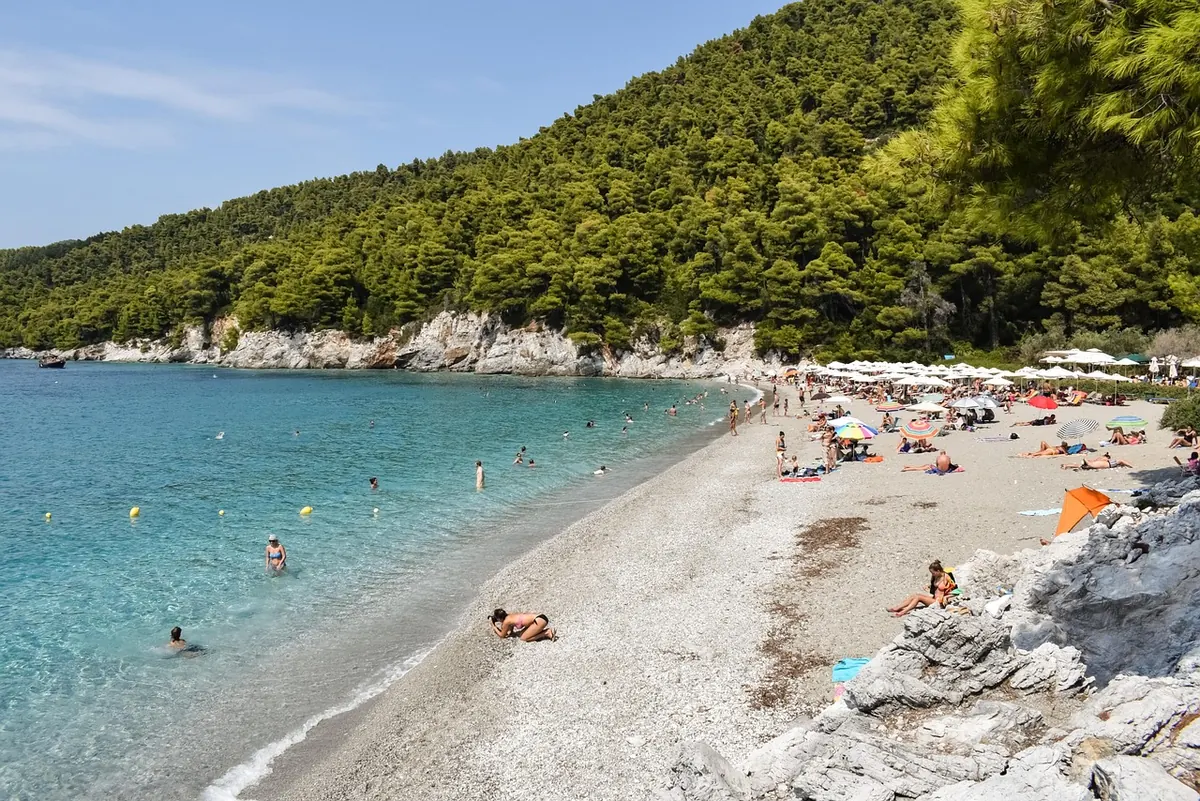
Holkham rewards a bit of preparation. The beach is enormous — a wide sweep of pale sand backed by dunes and a thick belt of pines — and on a first visit it is easy to arrive on the wrong tide, park without a way to pay, or set off across the sand with no water and no idea how far you have already walked. None of that ruins the day. It just makes it shorter and thirstier than it needed to be. Here is what to sort out before you go, and what to expect once you are there.
Check the tide before you check anything else
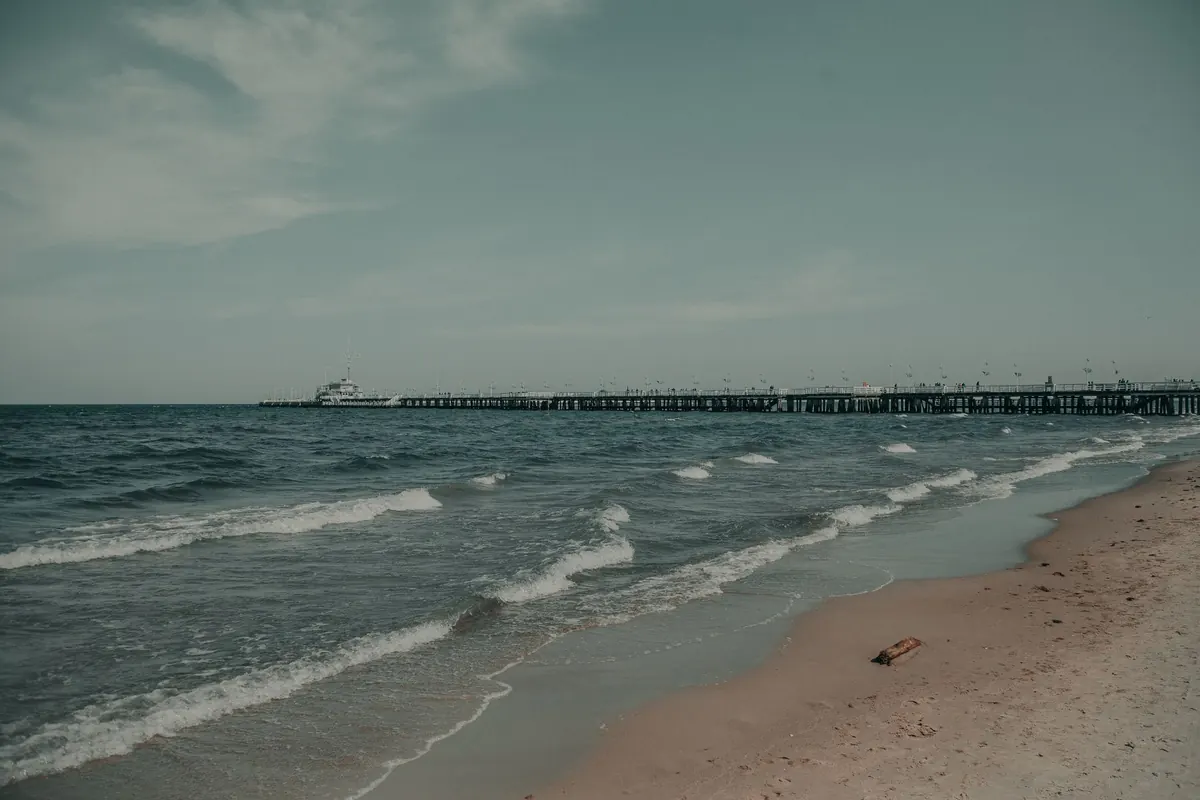
Holkham sits on one of the largest tidal ranges in the country. At low water the sea can be a long way out, with hundreds of metres of wet sand between the dunes and the breakers. At high water that same stretch is gone and the beach narrows to a strip beneath the pines. Both are worth seeing; they are just very different days out.
Use tide times for Wells-next-the-Sea, a couple of miles east, for planning. Arriving on a falling tide gives you the most room to walk and the most space for children and dogs to spread out. If the tide is filling, watch the water rather than the sand: on flat ground the flood moves in faster than it looks, and the creeks and channels behind the dunes fill early, cutting off the beach route towards Wells. Get that wrong and you are wading, or waiting.
There is no lifeguard cover at Holkham. Currents near the harbour channel at Wells are strong, the water is cold, and the beach shelves gently but unevenly. Treat it as a walking and paddling beach first. If you plan to swim, do it near other people, keep an eye on the tide, and if you are unsure, ask at the Lookout or check general beach safety guidance before you travel.
What to pack
- Footwear you do not mind filling with sand, plus a dry pair for the drive home.
- A windproof layer. The dunes give almost no shelter, and the sea breeze arrives even on a still day inland.
- Water and snacks. The nearest cafés are back at the Lookout and in Holkham village, not on the beach.
- Sun cream and a hat. The open sand walk feels considerably longer than it looks on the map.
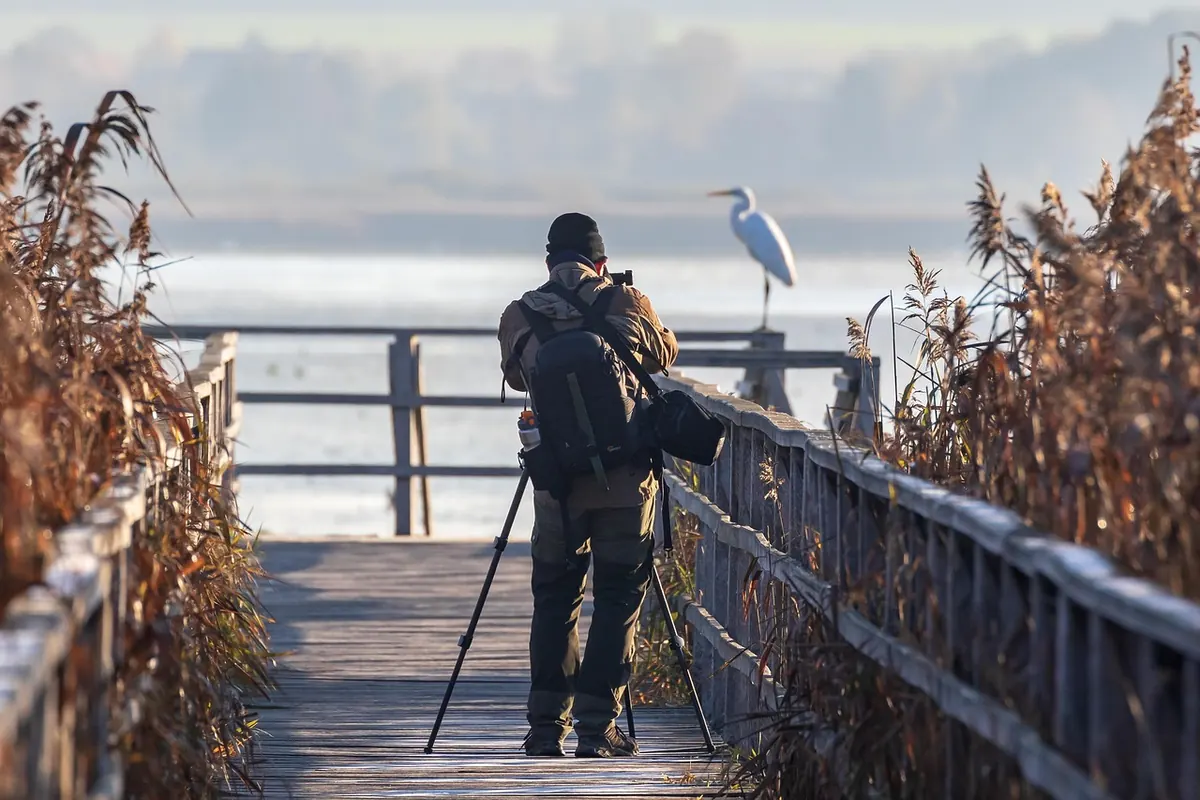
- Binoculars, if you own any. This is one of the best places in Norfolk to use them.
- A screenshot of the tide table and an offline map; phone signal is patchy in the pines.
- Dog lead and poo bags, whatever the season.
- A card or payment app for parking — many people arrive with neither.
- A towel and swim kit if you are braving it, and a bag for wet, sandy clothes.
Arriving, parking and facilities
Access is off the A149 between Wells and Burnham Market. Cars park on Lady Anne's Drive, and there is a charge. On sunny weekends and bank holidays the car park fills early; when it is full you may be turned away, so have a backup plan. Toilets and refreshments are at the Lookout near the car park, with the Victoria Inn in the village and the courtyard café at Holkham Hall further up the drive.
From the car park it is roughly a fifteen-minute walk on a boardwalk and sandy track through the pines to the dunes, then out onto the beach. The pines hide the sea completely, so you hear the beach before you see it. The closing scene of Shakespeare in Love was filmed on this sand, which tells you something about how it looks at dusk.
Routes for a first visit
- Straight there and back. Car park, boardwalk, dunes, beach. Turn east for Wells — busier, with beach huts and ice cream — or west for Burnham Overy, which is quieter and longer. Allow twenty minutes each way to the sand.
- The pine woods loop. Waymarked paths thread through the pines. Flat, shaded and forty minutes to an hour, which makes it the sensible choice in wind, drizzle or the middle of a hot day. Listen for crossbills in the tops of the pines.
- The Wells loop. East along the sand to Wells beach and the harbour, roughly two and a half miles, then back through the pines on the coast path to Lady Anne's Drive. Half a day with stops. Check the tide first: at high water the sand route is cut off in places.
- West to Burnham Overy Staithe. Follow the beach west for about two and a half miles to the harbour. Do not attempt to cross the channel to Scolt Head unless you know both the tide and the route well.
Wildlife you are likely to see
In winter, Holkham is a goose reserve with a beach attached. Thousands of pink-footed geese move between the fields and the saltmarsh at dawn and dusk, and Brent geese graze close to the paths. Wigeon and teal gather on the wet meadows, while oystercatchers, curlews, dunlin, knot and bar-tailed godwits work the shoreline. Marsh harriers quarter the grazing marsh behind the pines.
From spring into summer, little terns nest on the sand and are protected by roped enclosures — stay out of them, and keep dogs away. Ringed plovers and oystercatchers run the water's edge with their chicks, and sanderlings chase the retreating wash in small, frantic flocks. The dune pools hold natterjack toads, which are rare and strictly protected: look, but do not touch, and never lift the debris they shelter under.
Seals are sometimes seen offshore; the main colony is further east at Blakeney Point. In the pines themselves, look and listen for siskins, goldcrests, great spotted woodpeckers and sparrowhawks, with woodcock in winter and tawny owls calling at dusk.
The rules, and the small courtesies
Dogs are welcome but must be under close control, and on leads in the reserve during the bird nesting season and anywhere near roped areas. Check the notice at the car park, as dates and zones change